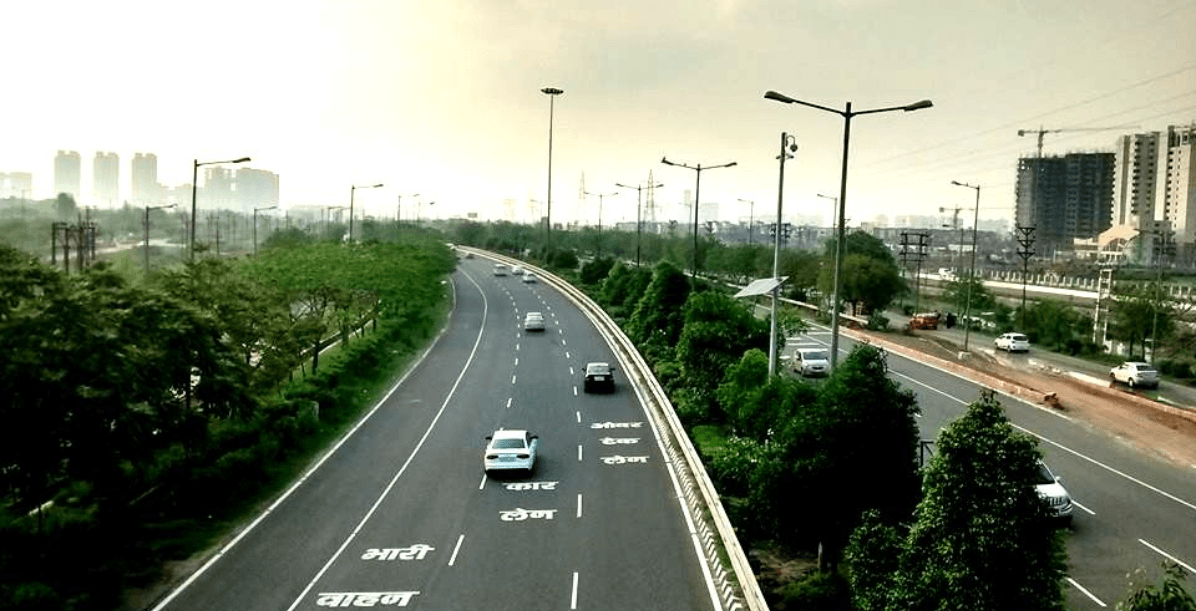
Noida Expressway is entering its first genuine luxury cycle due to corporate maturity, strong office absorption, execution proof from delivered projects, and rational pricing—not because of branding or hype-driven launches.
Gurugram’s luxury market emerged earlier due to rapid corporate ecosystem growth and flexible planning. Noida arrived later but is structurally better prepared, with planned zoning, wider roads, newer infrastructure, and stronger execution discipline.
Luxury housing follows long economic cycles. Noida first developed as an office and mid-income residential hub. Only after sustained corporate growth and delivery credibility did luxury housing become viable and liquid.
Projects like County 107 and Gulshan Dynasty played a critical role by delivering quality luxury homes despite unfavourable conditions. Their post-delivery performance built market trust that marketing alone could not.
Once execution proof was established, national and global developers began including Noida in their long-term luxury portfolios. The recent wave of luxury and ultra-luxury launches reflects strategic expansion, not speculation.
Luxury housing focuses on space, planning, and liveability, typically priced between ₹14,000–₹18,000 per sq ft. Ultra-luxury homes go beyond this, offering lower density, higher privacy, and premium experiences, usually priced above ₹18,000 per sq ft.
No. Noida is in a price-discovery phase, not a bubble. Prices reflect an earlier stage of luxury maturity compared to Gurugram, offering larger homes, lower density, and better planning at comparable budgets.
Luxury housing demand follows payroll clusters. Strong Grade-A office absorption along the Noida Expressway is creating senior professional demand, which first drives rentals and eventually converts into ownership in premium and luxury housing.
True luxury supply remains limited due to land constraints, density controls, and strict planning norms. The real risk is not oversupply—but choosing projects that claim luxury without delivering it.
Key risks include execution capability, over-branded projects lacking substance, and delayed infrastructure promises. In luxury real estate, incorrect assumptions matter more than price fluctuations.